Give me fuel

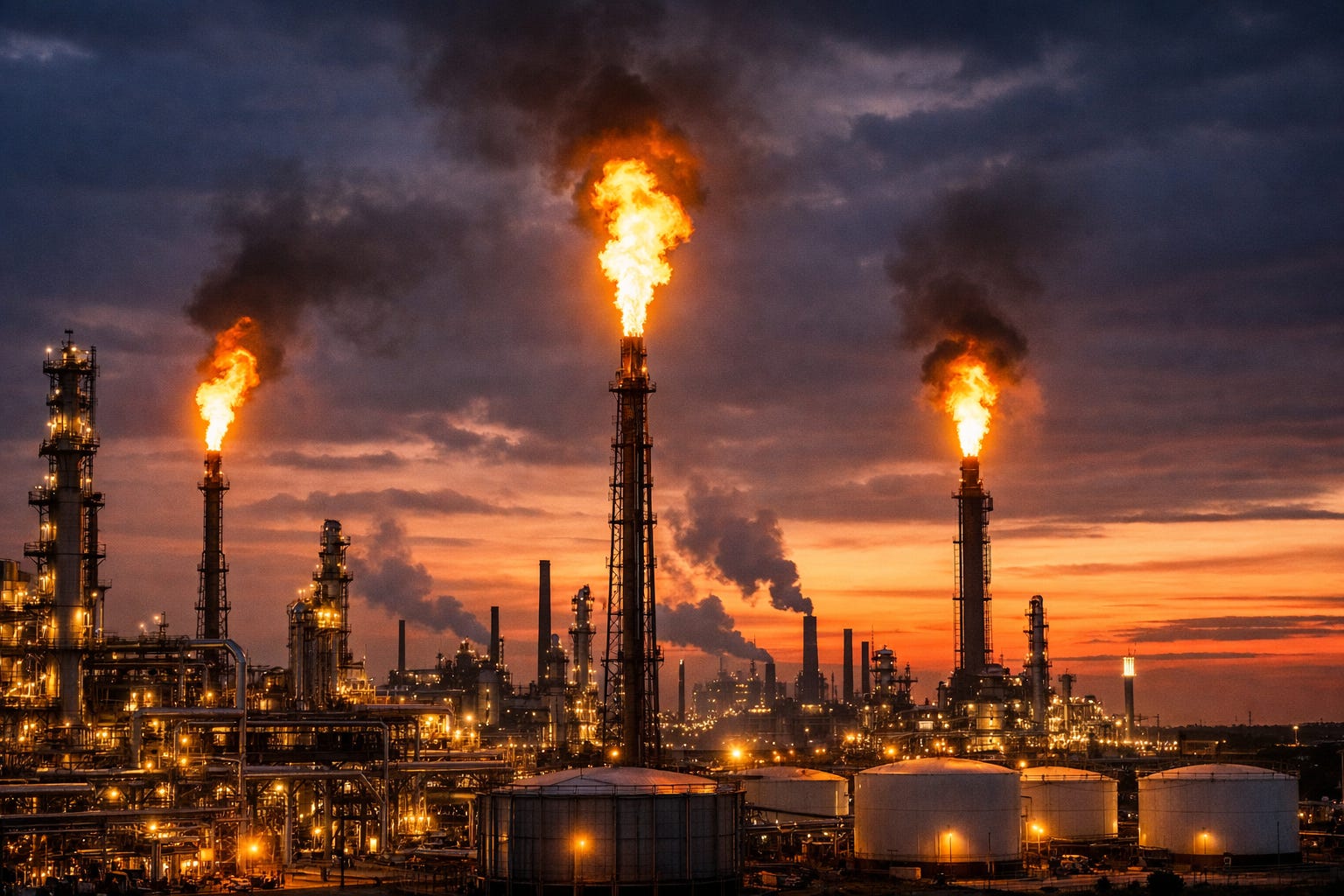
The line from Metallica’s Fuel taps into something primal in the human instinct.
A raw hunger for energy. Motion. Acceleration. Civilisations have always carried that appetite. Once it was timber, then coal, then oil.
Each era believing it had finally found the fire that would keep the engine running forever.
Today the Australian government announced the release of fuel from national reserves.
Within minutes, the commentary machine fired up.
Social media filled with certainty.
Some people celebrating it as decisive leadership.
Others dismissing it as theatre.
Most of it misses the point.
Strategic fuel reserves exist for a simple reason. They are insurance.
When supply chains falter, when refineries stall, when geopolitical storms pass through shipping lanes, governments open the reserve to keep the system moving.
Modern economies are delicate things.
The trucks still have to drive, the supermarkets still need deliveries, and regional towns still need diesel in the tanks.
In that sense the decision itself is not unusual. Countries do this when pressure builds.
But the reaction surrounding it says something about how confused the public conversation around energy has become.
Within minutes of the announcement, the usual narratives appeared.
Claims that the release proves fossil fuels remain the backbone of civilisation.
Claims that it exposes some kind of failure in the transition toward cleaner energy.
Claims that it will solve the problem at the pump.
None of those interpretations hold much weight.
Opening the reserves does one thing.
It buys time…
That is all it has ever done.
The larger question sits somewhere else entirely.
Australia runs on distance.
This continent stretches wide in ways that shape every part of the economy.
Food, freight, mining, agriculture, construction. Diesel engines move the machinery that keeps the country functioning.
That reality does not disappear because we talk about renewables.
But leaning on reserves every time pressure builds invites another question.
How often will this lever need to be pulled?
Because if global fuel markets keep tightening (and it’s beginning to look more uncertain), if shipping lanes remain fragile, if refining capacity continues to shrink, then reserve releases stop looking like rare interventions and start looking like routine management…
That is where the real conversation should be happening.
Not in the shouting matches online.
Not in the tired ideological trenches where every energy discussion collapses into slogans.
Are we building an energy system that can carry Australia forward without repeatedly reaching for the emergency tank?
Or are we settling into a cycle where each spike in fuel pressure is met with another release, another temporary easing, another quiet return to the same vulnerability?
Fuel has always been power.
Economic power. Strategic power. Political power.
The reserves remind us of that.
They sit in the background of national life like a locked cabinet of insurance, opened only when the pressure begins to rise.
Today the cabinet door moved.
Whether that becomes a habit, or a reminder to build something stronger, is a choice that hasn’t been made yet.
And once its gone... its gone.